
Dry Creek Chiropractic • Dr. Aaron Walker
Most Insurance Accepted
Personalized Care for Mountain Bikers and Road Cyclists
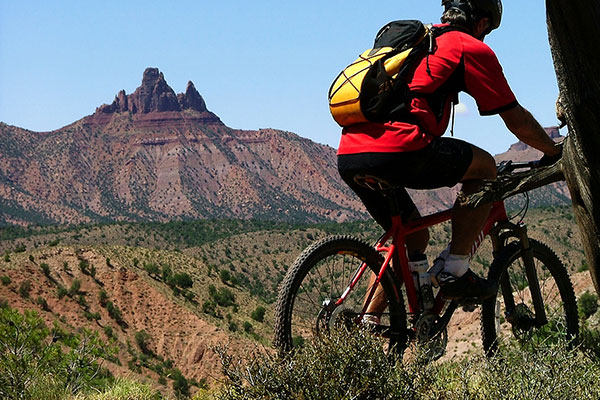
Utah offers countless opportunities to ride, from paved roads and neighborhood bike paths to challenging mountain trails filled with steep climbs, rocks, roots, switchbacks, and technical descents.
Although biking is an excellent way to stay active, the repetitive nature of pedaling and the physical demands of controlling a bike can place significant stress on the muscles and joints. Riders may also be injured during falls, collisions, sudden stops, or awkward landings.
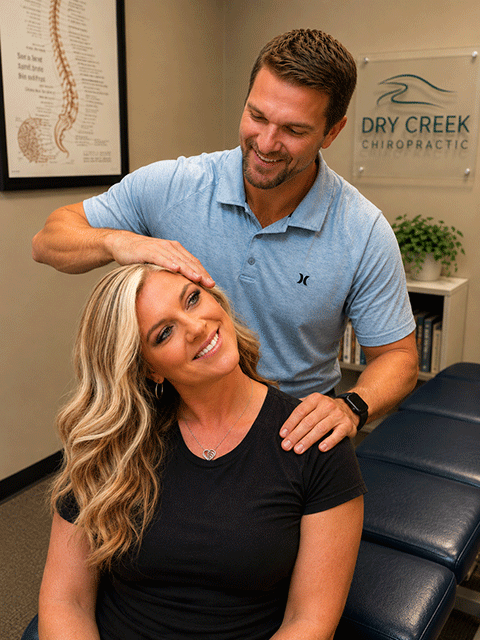
At Dry Creek Chiropractic in Lehi, Utah, Dr. Aaron Walker provides personalized, non-surgical care for recreational cyclists, mountain bikers, road cyclists, commuters, competitive riders, and active families dealing with biking-related pain or injury.
Depending on your condition, treatment may include chiropractic adjustments, sports massage, physiotherapy, stretching, strengthening exercises, home-care recommendations, or a combination of therapies designed to restore comfortable movement and help you safely return to riding.
How Biking Injuries Occur
Biking injuries generally fall into two categories: sudden traumatic injuries and overuse injuries.
Traumatic Biking Injuries
Traumatic injuries may occur during:
- Falls from the bicycle
- Collisions with another rider
- Motor vehicle accidents
- Sudden stops
- Loss of traction
- Going over the handlebars
- Awkward landings after a jump
- Contact with rocks, roots, trees, or trail obstacles
- Sharp turns or switchbacks
- Mechanical failure
- Riding on loose, wet, or uneven terrain
These incidents may affect the spine, joints, muscles, ligaments, tendons, or nerves.
Overuse Biking Injuries
Overuse injuries develop gradually through repeated movement, prolonged riding positions, improper bike fit, inadequate recovery, muscle weakness, or rapid increases in training.
Contributing factors may include:
- Riding too far or intensely without adequate conditioning
- Increasing mileage too quickly
- Improper saddle height
- Incorrect handlebar position
- Poor riding posture
- Excessive reaching for the handlebars
- Improper cleat or pedal positioning
- Limited hip or ankle mobility
- Muscle imbalances
- Weak core or hip-stabilizing muscles
- Repetitive climbing
- Riding in the same position for extended periods
- Insufficient rest between rides
A thorough evaluation can help determine whether your symptoms appear to result from an acute injury, repetitive strain, poor movement mechanics, bike positioning, or several contributing factors.
Common Mountain Biking Injuries
Mountain biking places unique demands on the body. Riders must absorb repeated vibrations, remain balanced over uneven terrain, shift their weight quickly, and react to changing trail conditions.
Common mountain biking injuries may include:
Neck and Back Strains
Rough terrain and repetitive impacts may contribute to muscle tension, spinal joint restriction, or irritation in the neck, middle back, and lower back.
Shoulder Injuries
Falling onto an outstretched hand or directly onto the shoulder may result in shoulder sprains, strains, joint irritation, or other injuries requiring evaluation.
Wrist and Hand Injuries
The hands and wrists absorb pressure through the handlebars and may be injured during a fall. Riders may experience pain, weakness, numbness, tingling, or reduced grip strength.
Elbow Injuries
Elbows may be affected by direct impact, repetitive gripping, prolonged arm positioning, or bracing during a fall.
Hip and Pelvic Injuries
A hard landing or sideways fall may affect the hip, pelvis, surrounding muscles, or sacroiliac joints.
Knee Injuries
Technical climbing, repeated pedaling, sudden twisting, and direct impacts may irritate the knee or surrounding muscles and tendons.
Ankle and Foot Injuries
Feet may slip from the pedals, ankles may twist during a fall, or repetitive pressure may lead to discomfort in the feet and lower legs.
Whiplash-Like Injuries
A sudden stop, collision, or fall may force the head and neck backward, forward, or sideways. Symptoms may not always appear immediately.
Common Road Biking Injuries
Road cycling generally involves smoother terrain than mountain biking, but riders often spend longer periods in a forward-leaning position and complete repetitive pedal strokes over extended distances.
Common road biking injuries may include:
Lower Back Pain
A sustained forward riding posture, limited hip flexibility, core weakness, or improper bike fit may place added stress on the lower back.
Neck and Upper-Back Tension
Looking forward while the torso is angled over the handlebars may cause the neck and upper-back muscles to work continuously.
Knee Pain
Repetitive pedaling may irritate the tissues surrounding the knee, particularly when saddle height, cleat position, cadence, or training volume is not appropriate.
Hand Numbness or Tingling
Prolonged pressure on the handlebars may irritate nerves in the hands or wrists. Riders may notice numbness, tingling, weakness, or difficulty gripping.
Hip Tightness
Remaining in a flexed position for long rides may contribute to tension through the hip flexors, gluteal muscles, and surrounding tissues.
Achilles or Calf Pain
Training changes, climbing, improper saddle position, or altered pedaling mechanics may place excessive stress on the calves or Achilles tendons.
Saddle-Related Discomfort
Prolonged saddle pressure may contribute to discomfort around the pelvis, hips, or surrounding soft tissues.
Injuries From Road Accidents
Road cyclists may also be injured in collisions with vehicles, other riders, curbs, debris, or roadway hazards. These injuries may involve several areas of the body and should be evaluated carefully.
Signs You Should Have a Biking Injury Evaluated
Minor post-ride muscle fatigue often improves with rest. However, persistent, recurring, or severe symptoms should not be ignored.
Consider scheduling an evaluation if you experience:
- Neck, middle-back, or lower-back pain
- Pain that repeatedly returns during or after riding
- Headaches following a fall
- Shoulder or arm pain
- Hip or pelvic discomfort
- Knee pain during pedaling
- Wrist, hand, or elbow pain
- Numbness or tingling
- Reduced grip strength
- Muscle spasms
- Swelling or bruising
- Limited range of motion
- Pain when walking or bearing weight
- Symptoms that affect your riding position
- Pain that alters your pedal stroke
- Difficulty sleeping after an injury
- Symptoms that do not improve with rest
- Discomfort following a collision or hard fall
Early evaluation can help determine whether the problem involves the joints, muscles, ligaments, tendons, nerves, spinal discs, or movement mechanics.
A Personalized Approach to Biking Injuries
Biking injuries do not affect every rider in the same way. The appropriate treatment depends on how the injury happened, which tissues are involved, the severity of your symptoms, your health history, and your riding goals.
During your evaluation, Dr. Walker may ask:
- When did the pain begin?
- Did the symptoms follow a fall or collision?
- Where did your body make contact with the ground?
- What type of biking do you do?
- How frequently and how far do you ride?
- What makes the symptoms better or worse?
- Do you experience numbness, tingling, or weakness?
- Has the pain changed your riding position?
- Have you recently changed your bike, saddle, pedals, or training schedule?
- Have you experienced a similar injury before?
Your examination may include orthopedic, neurologic, postural, spinal, range-of-motion, strength, and movement assessments.
Digital X-rays may be recommended when clinically appropriate. If your symptoms suggest a fracture, severe soft-tissue injury, concussion, or another condition requiring different care, Dr. Walker may refer you for additional imaging or medical evaluation.
Chiropractic Care for Biking Injuries
Biking requires coordinated movement through the spine, pelvis, hips, knees, ankles, shoulders, elbows, and wrists.
Restricted or poorly functioning joints may contribute to stiffness, muscle guarding, and altered movement. A fall or collision may also affect several joints at once.
Chiropractic care focuses on improving joint mobility, spinal mechanics, and comfortable movement.
Depending on the examination findings, chiropractic treatment may address areas such as:
- Neck
- Upper and middle back
- Lower back
- Pelvis and sacroiliac joints
- Shoulders
- Elbows
- Wrists
- Hips
- Knees
- Ankles
Dr. Walker selects techniques according to the rider’s injury, comfort level, age, and goals. Chiropractic adjustments may help restore movement to restricted joints and reduce mechanical stress affecting nearby tissues.
Not every biking injury is appropriate for chiropractic treatment. An examination is necessary before care is recommended.
Chiropractic Care for Cycling Posture
Cyclists often remain in a forward-flexed posture with the arms extended and the head lifted to see the road or trail ahead.
Over time, this position may contribute to:
- Neck tension
- Rounded shoulders
- Upper-back stiffness
- Lower-back discomfort
- Tight hip flexors
- Reduced spinal mobility
- Muscle fatigue
Chiropractic care may help address joint restrictions associated with prolonged riding positions.
Treatment may be combined with posture guidance, mobility exercises, core strengthening, and changes to riding habits. Riders may also benefit from having their bicycle professionally fitted.
Sports Massage for Biking Injuries
Biking can place significant demands on the quadriceps, hamstrings, gluteal muscles, hip flexors, calves, lower back, neck, shoulders, and forearms.
Sports massage may be incorporated into care to address tight, tired, or overworked muscles.
Depending on your condition, sports massage may help:
- Reduce muscular tension
- Relax tight muscle groups
- Address tender areas or trigger points
- Promote circulation in massaged tissues
- Improve comfortable flexibility
- Support recovery after a long ride
- Reduce muscle guarding
- Prepare muscles for therapeutic exercise
- Complement chiropractic adjustments
- Support recovery between training sessions
Massage techniques can be adjusted based on whether you are recovering from an injury, preparing for an event, or managing tension caused by regular training.
Sports massage should not be applied directly over a suspected fracture, acute tear, significant swelling, open wound, or severely bruised area.
Sports Massage for Mountain Bikers
Mountain bikers may develop tension from repeatedly absorbing trail vibrations and controlling the bike through technical terrain.
Sports massage may focus on:
- Forearms and hands from gripping the handlebars
- Shoulders and upper back from stabilizing the bike
- Lower back from maintaining an athletic riding position
- Gluteal muscles and hips from climbing and shifting weight
- Quadriceps and hamstrings from repeated acceleration
- Calves from standing on the pedals
- Muscles affected by falls or protective guarding
The therapist will modify pressure and techniques based on the injury and stage of recovery.
Sports Massage for Road Cyclists
Road cyclists may benefit from massage targeting tissues affected by prolonged posture and repetitive pedaling.
Common areas of focus include:
- Neck and shoulders
- Upper and lower back
- Hip flexors
- Gluteal muscles
- Quadriceps
- Hamstrings
- Calves
- Forearms and hands
Sports massage may help relax muscles following a long ride, training block, race, or cycling event. It may also be coordinated with physiotherapy when repeated tightness is connected to weakness or poor movement control.
Physiotherapy for Biking Injuries
Reducing pain is important, but restoring strength, flexibility, balance, and movement control can also play a major role in recovery.
Physiotherapy may be recommended when a biking injury involves weakness, limited mobility, reduced stability, poor movement mechanics, or difficulty returning to normal activity.
A personalized physiotherapy program may include:
- Gentle range-of-motion exercises
- Stretching
- Core stabilization
- Hip strengthening
- Gluteal activation
- Knee-stabilization exercises
- Shoulder and upper-back strengthening
- Wrist and forearm exercises
- Balance training
- Coordination activities
- Mobility exercises
- Gradual return-to-riding exercises
The program is adjusted as the rider’s symptoms and function improve.
How Physiotherapy Helps Cyclists Return to Riding
After an injury, returning to full-distance or technical riding too quickly may cause symptoms to return.
Physiotherapy can help establish a gradual progression based on the rider’s condition.
A return-to-riding plan may begin with:
- Restoring comfortable joint movement.
- Reducing muscle tension and guarding.
- Improving strength and stability.
- Practicing balance and coordinated movement.
- Beginning with shorter, easier rides.
- Gradually increasing time, distance, climbing, or trail difficulty.
- Monitoring the body’s response after each ride.
Road cyclists may begin on a stationary bike or flat route before resuming hills or long-distance riding. Mountain bikers may start on smooth, predictable terrain before returning to technical trails, jumps, or steep descents.
Strengthening for Common Cycling Weaknesses
Cyclists frequently develop strong muscles for pedaling but may still have weakness in muscles responsible for stability and movement control.
Physiotherapy may focus on:
- Core muscles that stabilize the spine
- Gluteal muscles that support the hips and pelvis
- Hip abductors that help control leg alignment
- Upper-back muscles that support cycling posture
- Shoulder stabilizers
- Forearm and grip muscles
- Muscles controlling the knee and ankle
Improving these areas may help riders maintain better mechanics and reduce repeated strain.
Combining Chiropractic Care, Sports Massage, and Physiotherapy
Biking injuries often involve more than one structure.
For example, lower-back pain may involve restricted spinal joints, tight hip muscles, poor core stability, and prolonged cycling posture. Knee pain may be influenced by tight muscles, weak hip stabilizers, limited ankle mobility, or repetitive training.
For this reason, a personalized plan may combine several therapies:
- Chiropractic adjustments may improve mobility in restricted joints.
- Sports massage may reduce muscular tension and soft-tissue guarding.
- Physiotherapy may improve strength, flexibility, stability, and movement control.
- Home exercises may help riders continue their progress between appointments.
- Activity modifications may reduce stress on irritated tissues during recovery.
This coordinated approach allows care to address both current symptoms and the factors that may be contributing to repeated problems.
Mountain Biking Injuries From Falls
Even experienced mountain bikers can lose traction or misjudge a trail feature.
A fall may cause:
- Neck or back strain
- Shoulder injury
- Wrist or hand injury
- Rib or chest-wall pain
- Hip bruising
- Knee or ankle injury
- Muscle strains
- Joint restrictions
- Head injury
Pain may begin immediately or appear later as inflammation and muscle guarding develop.
After a significant fall, avoid continuing to ride when you have severe pain, dizziness, confusion, weakness, instability, or difficulty using an arm or leg.
Road Biking Injuries From Collisions
Road cyclists may be injured after contact with a vehicle, another rider, a curb, an open car door, roadway debris, or an uneven surface.
Even when the rider does not believe the collision was severe, the force of the impact may affect muscles, joints, ligaments, spinal discs, or nerves.
Symptoms may include:
- Neck pain
- Back pain
- Headaches
- Shoulder pain
- Hip or knee pain
- Numbness or tingling
- Muscle spasms
- Reduced range of motion
- Bruising
- Difficulty sleeping
An evaluation can help identify injuries, document symptoms, and determine whether chiropractic care, massage, physiotherapy, imaging, or outside medical referral is appropriate.
Repetitive-Use Knee Pain in Cyclists
Knee pain is one of the most common complaints among cyclists because the knee bends and straightens repeatedly throughout every ride.
Factors contributing to cycling-related knee discomfort may include:
- Saddle positioned too high or too low
- Saddle positioned too far forward or backward
- Incorrect cleat alignment
- Excessive resistance
- Low pedaling cadence
- Rapid increases in mileage
- Tight quadriceps or hamstrings
- Limited hip or ankle mobility
- Weak hip-stabilizing muscles
- Poor knee alignment during pedaling
Treatment depends on the cause. Chiropractic care may address joint restrictions, massage may relax tight muscles, and physiotherapy may improve strength and lower-extremity mechanics.
A professional bike fitting may also be recommended.
Neck and Back Pain While Cycling
Neck and back pain may develop when riders remain in a fixed position for too long or use a bicycle that does not fit properly.
Contributing factors may include:
- Handlebars positioned too low or far away
- Excessive reaching
- Poor spinal mobility
- Tight hips
- Weak core muscles
- Limited upper-back mobility
- Fatigue
- Long rides without position changes
- Riding a frame that is the wrong size
Treatment may include chiropractic adjustments, sports massage, physiotherapy, stretching, posture guidance, and changes to training or bicycle setup.
Hand Numbness and Wrist Pain
Cyclists place repeated pressure through the hands and wrists while gripping the handlebars.
Symptoms may include:
- Numbness
- Tingling
- Hand weakness
- Wrist pain
- Forearm tightness
- Reduced grip strength
Potential contributing factors include excessive handlebar pressure, poor wrist positioning, an improper bike fit, tight forearm muscles, or irritation of a nerve.
Persistent numbness, tingling, or weakness should be evaluated rather than ignored.
Preventing Future Biking Injuries
Not every biking injury can be prevented, but several habits may reduce unnecessary strain.
Consider the following:
- Wear a properly fitted helmet.
- Use a bicycle appropriate for your size and riding style.
- Consider a professional bike fitting.
- Increase mileage and intensity gradually.
- Warm up before demanding rides.
- Include rest and recovery days.
- Strengthen the core, hips, and upper back.
- Maintain comfortable hip and ankle mobility.
- Change hand and body positions during long rides.
- Use appropriate protective equipment.
- Inspect brakes, tires, suspension, and other components.
- Choose trails appropriate for your ability.
- Stay hydrated.
- Avoid riding through sharp or worsening pain.
- Replace a helmet after a significant impact.
Prevention should also include paying attention to repeated symptoms. Pain that returns during every ride may indicate an underlying movement, training, or equipment issue.
Care for Cyclists in Lehi and Utah County
Mountain biking and road cycling are popular ways to enjoy Utah’s scenery, stay active, train, and spend time outdoors.
Whether your symptoms developed during a neighborhood ride, road-cycling event, mountain trail, bike park, commute, or training session, Dry Creek Chiropractic offers individualized care based on your specific injury and goals.
Our Lehi office serves cyclists from Lehi, Highland, American Fork, Alpine, Cedar Hills, Saratoga Springs, Eagle Mountain, and surrounding Utah County communities.
Schedule a Biking Injury Evaluation
Do not let persistent pain, stiffness, or reduced mobility keep you off your bike.
Dr. Aaron Walker and the Dry Creek Chiropractic team provide personalized care for mountain bikers, road cyclists, recreational riders, and active adults.
Your treatment plan may include chiropractic care, sports massage, physiotherapy, home exercises, or a coordinated combination of services.
Call Dry Creek Chiropractic at (801) 766-4113 or book online to schedule a biking injury evaluation.
Dry Creek Chiropractic
Dr. Aaron Walker
3300 North Running Creek Way
Building E, Suite 100
Lehi, UT 84043
FAQ – Biking Injury Treatment
What types of biking injuries can a chiropractor evaluate?
A chiropractor can evaluate many musculoskeletal biking injuries involving the neck, back, shoulders, wrists, hips, knees, and ankles. Dr. Walker will examine the injured area and determine whether chiropractic care, sports massage, physiotherapy, imaging, or medical referral is appropriate.
Can chiropractic care help with neck or back pain from cycling?
Chiropractic care may help some cyclists whose neck or back pain involves restricted joints, poor spinal mechanics, muscle guarding, or prolonged riding posture. An examination is necessary to determine what is contributing to the symptoms and which treatment is appropriate.
How can sports massage help cyclists?
Sports massage may help relax tight or overworked muscles, reduce temporary muscular tension, improve comfortable flexibility, and support recovery after training or injury. Massage may focus on the back, hips, legs, shoulders, forearms, or other muscles heavily used while biking.
Why is physiotherapy included in biking injury treatment?
Physiotherapy can help restore strength, mobility, stability, balance, and movement control after a biking injury. It may also address weaknesses or movement patterns that contribute to recurring knee, hip, back, shoulder, or wrist discomfort.
When can I start biking again after an injury?
The appropriate timing depends on the type and severity of the injury, your examination findings, and how your body responds to care. A gradual return may begin with short, easy rides before progressing to longer distances, hills, high-intensity training, or technical trails.
Should I be evaluated after a mountain bike fall even if the pain is mild?
An evaluation may be appropriate when symptoms continue, worsen, affect movement, or involve headaches, numbness, tingling, weakness, swelling, or reduced range of motion. Seek immediate medical attention after a fall involving loss of consciousness, confusion, severe pain, an obvious deformity, or other emergency symptoms.