
Dry Creek Chiropractic • Dr. Aaron Walker
Most Insurance Accepted
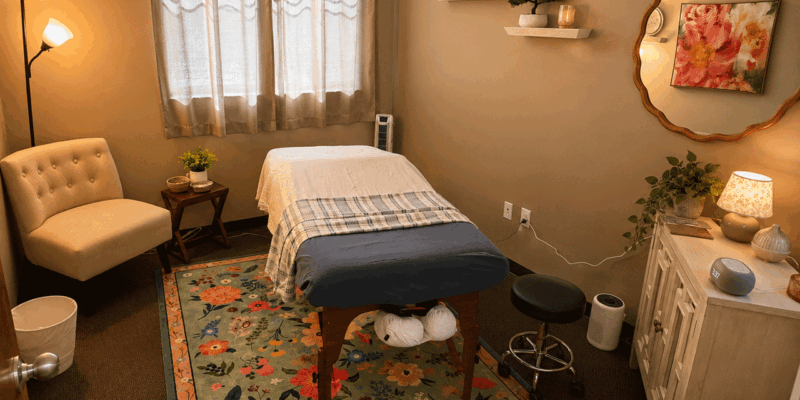
Massage Therapy for Active Bodies
You do not have to be a professional athlete to benefit from sports massage. Runners, weightlifters, cyclists, golfers, hikers, recreational athletes, student athletes, and physically active adults can all develop tight, tired, or overworked muscles.
Dry Creek Chiropractic offers sports massage in Lehi, Utah, to help active patients prepare for physical activity, recover after exercise, and address muscular tension associated with repetitive movement.
Sports massage is personalized according to your activity, training schedule, areas of tension, and recovery goals. Your therapist may use a combination of massage, compression, stretching, and focused soft-tissue techniques during the session.
Sports massage may be scheduled as an independent service or incorporated into a broader care plan that includes chiropractic adjustments, physiotherapy, stretching, strengthening exercises, and home-care recommendations.
What Is Sports Massage?
Sports massage is a targeted form of massage therapy designed around the physical demands of exercise, athletic training, sports, and active work.
Unlike a general relaxation massage, sports massage often concentrates on the muscle groups most heavily involved in a particular activity. A runner’s session may focus on the hips, thighs, calves, and feet, while a golfer or weightlifter may need greater attention around the back, shoulders, chest, and arms.
Sports massage may be used:
- Before an athletic event
- After competition
- During a training program
- On active recovery days
- Between demanding workouts
- When returning to activity
- As part of an ongoing wellness plan
The techniques and pressure used will depend on your goals and timing. A pre-event session may be shorter and more stimulating, while a post-event or recovery session may use slower techniques intended to relax tired muscles.
Who Can Benefit from Sports Massage?
Sports massage may be appropriate for people participating in activities such as:
- Running and jogging
- Weight training
- Cross-training
- Cycling
- Hiking
- Skiing and snowboarding
- Golf
- Tennis and pickleball
- Basketball
- Soccer
- Football
- Baseball and softball
- Swimming
- Dance
- Gymnastics
- Martial arts
- Recreational leagues
- Physically demanding occupations
It may also be helpful for people beginning a new exercise routine or increasing the intensity, frequency, or duration of their workouts.
You do not need to compete or train at an elite level. Sports massage can be adapted for occasional exercisers, weekend athletes, active parents, and anyone whose muscles feel tight or fatigued after physical activity.
Potential Benefits of Sports Massage
Sports massage may help active patients:
- Relax tight or overworked muscles
- Reduce temporary muscle tension
- Support flexibility
- Promote comfortable movement
- Prepare muscles for activity
- Support post-workout recovery
- Address localized muscular knots
- Reduce feelings of muscular fatigue
- Promote circulation in massaged tissues
- Support healthy range of motion
- Complement physiotherapy exercises
- Complement chiropractic care
- Identify areas that feel unusually tight or sensitive
- Maintain an active wellness routine
Individual results vary. Sports massage is not intended to diagnose or cure an injury, and it should not be used to conceal symptoms that require a medical or chiropractic evaluation.
Pre-Event Sports Massage
Pre-event sports massage is generally performed shortly before activity and is intended to help prepare the body for movement.
This type of session may use:
- Faster massage strokes
- Rhythmic compression
- Light or moderate pressure
- Gentle movement
- Activity-specific muscle work
- Short stretches
- Techniques intended to warm the tissues
Pre-event massage is usually not the time for unusually deep or aggressive pressure. Intense massage immediately before competition may leave muscles temporarily tender or overly relaxed.
Tell your therapist what activity you will be performing, when it begins, and which muscle groups will be used most heavily.
Post-Event and Recovery Massage
After exercise or competition, muscles may feel tight, tired, or sore. A post-event or recovery massage may help you relax and address tension that developed during the activity.
A recovery-focused session may include:
- Slower massage strokes
- Moderate pressure
- Gentle compression
- Focused work on tired muscle groups
- Stretching
- Relaxation techniques
- Attention to movement patterns used during the activity
The massage should be adjusted based on how your body feels. Muscles that are highly irritated or recently strained may require gentler treatment or an evaluation before focused massage is performed.
Sports Massage for Training and Performance
Consistent training places repeated demands on the muscles and connective tissues.
Over time, repetitive exercise may contribute to:
- Tight calves or hamstrings
- Hip and gluteal tension
- Shoulder tightness
- Forearm fatigue
- Neck and upper-back tension
- Reduced flexibility
- Muscular imbalances
- General post-workout soreness
Sports massage may be included throughout a training program rather than used only immediately before or after an event.
Regular sessions can be tailored around heavier and lighter training days. Your massage therapist may focus on recovery after demanding workouts or address specific muscle groups before the next phase of training.
Massage does not replace appropriate rest, hydration, nutrition, conditioning, or injury evaluation. It works best as one component of a balanced training and recovery plan.
Sports Massage and Physiotherapy
Sports massage and physiotherapy can work together to address different parts of movement and recovery.
Massage therapy focuses primarily on muscles and other soft tissues. It may help relax tight areas, reduce temporary muscular tension, and prepare the body for movement.
Physiotherapy may include therapeutic exercises, stretching, mobility work, strengthening, balance training, and other techniques intended to restore or improve function.
At Dry Creek Chiropractic, a combined plan may use sports massage to address muscular tension while physiotherapy focuses on movement quality, stability, strength, and flexibility.
For example, a patient may receive:
- Sports massage to relax overworked muscles.
- Mobility exercises to improve comfortable movement.
- Strengthening exercises to support weak or underused areas.
- Chiropractic care to address joint mobility when appropriate.
- Home exercises to continue progress between visits.
The specific combination will depend on your symptoms, activity, health history, and goals.
How Physiotherapy Supports Athletic Recovery
Exercise-related discomfort does not always result from one tight muscle. Reduced mobility, poor movement patterns, weakness, and repetitive strain can all influence how the body responds to activity.
Physiotherapy may help active patients work on:
- Flexibility
- Joint mobility
- Core stability
- Balance
- Coordination
- Muscle activation
- Strength
- Endurance
- Movement mechanics
- Gradual return to activity
Sports massage may help make certain exercises feel more comfortable by reducing surrounding muscular tension. Physiotherapy then helps reinforce better movement through targeted exercises and functional training.
This combination may be especially useful for patients who repeatedly experience tightness in the same area.
Sports Massage and Chiropractic Care
Athletic movement depends on coordination between the muscles, joints, and nervous system.
When a joint is not moving comfortably, nearby muscles may tighten or compensate. Likewise, excessive muscular tension may affect posture, flexibility, and movement.
When appropriate, sports massage may be combined with chiropractic care to address both muscular and joint-related concerns.
A personalized care plan may include:
- Chiropractic adjustments
- Sports massage
- Physiotherapy
- Stretching
- Strengthening exercises
- Mobility work
- HydroMassage
- Posture recommendations
- Activity modifications
- Home-care guidance
Massage may be scheduled before chiropractic care to help relax tense muscles, after an adjustment, or on a separate recovery day.
Dr. Aaron Walker and the Dry Creek Chiropractic team can help determine which combination of services is appropriate for your needs.
Sports Massage vs. Deep Tissue Massage
Sports massage and deep tissue massage may use some of the same techniques, but their overall focus may differ.
Sports Massage
Sports massage is usually organized around:
- A particular activity or sport
- Pre-event preparation
- Post-event recovery
- Frequently used muscle groups
- Athletic flexibility and movement
- Training-related tension
- Return-to-activity goals
Deep Tissue Massage
Deep tissue massage usually focuses on:
- Persistent areas of muscular tension
- Deeper layers of muscle and fascia
- Firm, sustained pressure
- Localized muscle knots
- Chronic or repetitive tightness
A sports massage may include deep tissue techniques when appropriate. However, not every sports massage needs to use firm pressure.
Your therapist will adjust the session based on your goals, comfort level, and whether you are preparing for or recovering from activity.
Sports Massage vs. Swedish Massage
Swedish massage is generally intended to promote relaxation through smooth, flowing movements and light-to-moderate pressure.
Sports massage is typically more targeted and activity-specific.
Swedish massage may be a good choice when you want:
- General relaxation
- A calming full-body session
- Light-to-moderate pressure
- Relief from everyday stress and tension
Sports massage may be preferred when you want:
- Focused attention on heavily used muscles
- Support before or after exercise
- Activity-specific massage techniques
- Stretching or mobility-focused work
- Help managing training-related muscle tension
Some sessions may combine techniques from both styles.
Common Areas Addressed During Sports Massage
The areas treated will depend on your sport, occupation, and movement patterns.
Hips and Gluteal Muscles
The hips and gluteal muscles are important for walking, running, lifting, cycling, jumping, and stabilizing the pelvis.
Hamstrings and Quadriceps
These muscles may become tight after running, hiking, cycling, squatting, or repeated jumping.
Calves and Lower Legs
Calf tension is common among runners, hikers, court-sport athletes, and people who spend long hours standing.
Back and Core Muscles
The muscles around the back and trunk help stabilize the body during lifting, rotating, throwing, and repetitive activity.
Shoulders and Arms
Swimming, weight training, racquet sports, throwing, and overhead work may contribute to shoulder, arm, or forearm tension.
Neck and Upper Back
Cycling posture, computer work, stress, weight training, and repetitive upper-body activity may contribute to neck and upper-back tightness.
Sports Massage for Runners
Running creates repeated demands on the feet, calves, knees, hips, and lower back.
A sports massage for runners may focus on:
- Calves
- Hamstrings
- Quadriceps
- Hip flexors
- Gluteal muscles
- Feet
- Lower back
Massage may be combined with physiotherapy exercises that address hip stability, calf flexibility, balance, and running-related movement patterns.
Pain that changes your stride, causes swelling, prevents weight-bearing, or worsens with continued running should be evaluated before massage.
Sports Massage for Weight Training
Strength training may create tension in the shoulders, chest, back, hips, and legs, especially after increasing weight, volume, or training frequency.
Sports massage may address muscles used during:
- Squats
- Deadlifts
- Bench presses
- Rows
- Pull-ups
- Overhead presses
- Lunges
- Olympic lifts
Physiotherapy may complement massage by addressing lifting mechanics, mobility restrictions, muscle activation, and stability.
Sports massage should not be used to push through sharp pain or suspected injury.
Sports Massage for Golf, Tennis, and Pickleball
Rotational and racquet sports place repeated demands on the spine, shoulders, hips, elbows, and forearms.
Massage may focus on:
- Upper and lower back
- Shoulders
- Forearms
- Hips
- Gluteal muscles
- Hamstrings
- Calves
Physiotherapy may include mobility, rotational control, balance, and strengthening exercises appropriate for the patient’s activity.
What to Expect During a Sports Massage
Before your session, your massage therapist will ask about your activity, goals, current training schedule, and areas of concern.
Be prepared to discuss:
- Your sport or preferred activity
- How often you train
- Whether an event is approaching
- Recent changes in training intensity
- Areas of tightness or soreness
- Previous injuries
- Current pain or swelling
- Preferred pressure
- Movements that feel restricted
- Areas that should be avoided
The therapist may ask you to perform a simple movement or point to the muscles that feel tight.
You will be given privacy to undress to your comfort level. Professional draping is used throughout the session, and only the area being treated is uncovered.
Depending on your goals, the session may include massage, compression, stretching, or guided movement.
How Might You Feel After Sports Massage?
Many patients feel relaxed, more flexible, or less tense after sports massage. Some may experience temporary tenderness, especially when focused work is performed on tight muscles.
After a sports massage, it may be helpful to:
- Drink water
- Perform gentle movement
- Follow recommended stretches
- Avoid unusually intense activity when advised
- Allow time for recovery
- Follow your physiotherapy or home-care plan
- Pay attention to unusual or worsening symptoms
Your therapist may recommend scheduling the massage a day or more before a major event if deeper techniques will be used.
When an Athletic Injury Needs Evaluation
Exercise-related soreness often improves with appropriate rest and recovery. However, persistent or severe symptoms should not be ignored.
Schedule an evaluation if you experience:
- Sharp or worsening pain
- Significant swelling
- Numbness or tingling
- Muscle weakness
- Joint instability
- Loss of normal movement
- Pain that changes your walking or running pattern
- Pain following a fall or collision
- Symptoms that do not improve with rest
- Repeated problems in the same area
Dr. Walker can evaluate your condition and determine whether massage, chiropractic care, physiotherapy, imaging, or referral to another healthcare provider may be appropriate.
Is Sports Massage Right for You?
Sports massage may be a good option if you want to:
- Prepare for an upcoming event
- Recover after exercise
- Address activity-related muscular tension
- Improve comfortable flexibility
- Support an ongoing training routine
- Complement physiotherapy
- Complement chiropractic care
- Take a proactive approach to recovery
Your therapist will personalize the session according to your activity, comfort level, health history, and training goals.
Schedule Your Sports Massage in Lehi
Support your active lifestyle with personalized sports massage at Dry Creek Chiropractic.
Our massage therapists work collaboratively with the chiropractors and other healthcare providers in the office. This integrated approach allows sports massage, physiotherapy, and chiropractic care to be combined when appropriate.
Contact our Lehi office to ask about appointment availability, massage lengths, pricing, insurance benefits, and how sports massage may fit into your training or recovery plan.
Call Dry Creek Chiropractic at (801) 766-4113 or click here to schedule an appointment.
Dry Creek Chiropractic
Dr. Aaron Walker
3300 North Running Creek Way
Building E, Suite 100
Lehi, UT 84043
FAQ – Sports Massage
What is sports massage?
Sports massage is a targeted form of massage therapy designed around the demands of exercise, athletic training, and physically active lifestyles. It may be used before activity, after an event, during training, or as part of an ongoing recovery plan.
Do I need to be an athlete to receive sports massage?
No. Sports massage may be helpful for recreational athletes, active adults, people beginning a new exercise routine, and individuals with physically demanding jobs. The session is customized according to your activity and areas of muscle tension.
Should I schedule sports massage before or after exercise?
Sports massage may be scheduled either before or after activity. Pre-event massage generally uses shorter, stimulating techniques to prepare muscles for movement. Post-event massage typically uses slower techniques to help relax tired muscles and support recovery.
How does physiotherapy work with sports massage?
Sports massage may help relax tight or overworked muscles, while physiotherapy focuses on mobility, strength, stability, balance, and movement patterns. Combining the two may help address both muscular tension and the functional issues contributing to repeated discomfort.
Can sports massage be combined with chiropractic care?
Yes. Sports massage may be combined with chiropractic adjustments, physiotherapy, stretching, and home exercises when appropriate. Dr. Walker can evaluate your needs and recommend an individualized treatment plan.
Can sports massage treat an athletic injury?
Sports massage may support recovery from certain types of muscular tension and exercise-related soreness, but it is not appropriate for every injury. Sharp pain, significant swelling, weakness, instability, inability to bear weight, or symptoms following substantial trauma should be evaluated before massage.