
Dry Creek Chiropractic • Dr. Aaron Walker
Most Insurance Accepted
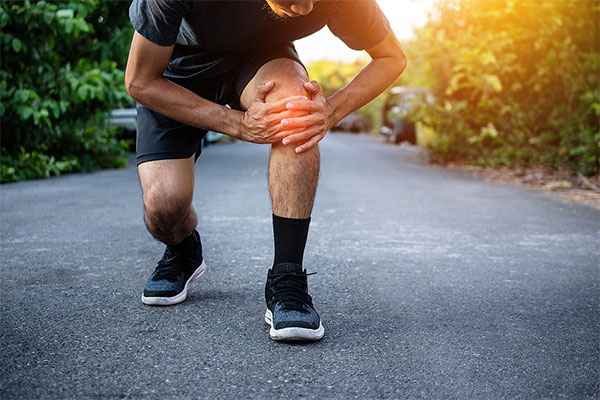
Personalized Care for Painful, Stiff, or Injured Knees
Your knees play an essential role in walking, climbing stairs, exercising, working, and enjoying Utah’s outdoor lifestyle. When knee pain develops, even routine movements can become uncomfortable.
At Dry Creek Chiropractic in Lehi, Utah, Dr. Aaron Walker evaluates knee pain to identify the joints, muscles, movement patterns, or injuries that may be contributing to your symptoms.
Depending on your examination findings, treatment may include chiropractic care, massage therapy, physiotherapy, stretching, strengthening exercises, activity modifications, and home-care recommendations.
Our goal is not simply to address where the knee hurts. We look at how the knee works together with the hips, pelvis, ankles, feet, and lower back to help create an individualized treatment plan.
Understanding Knee Pain
The knee is a complex joint formed by the thigh bone, shin bone, and kneecap. Muscles, tendons, ligaments, cartilage, and other soft tissues help stabilize the joint and guide movement.
Knee pain may develop gradually from repetitive activity or begin suddenly after a fall, twist, collision, or awkward step.
Some knee problems originate within the joint itself. Others may be influenced by tight muscles, weakness, altered foot mechanics, limited hip or ankle mobility, or an uneven movement pattern.
A careful examination can help determine which areas should be addressed.
Common Causes of Knee Pain
Knee pain may be associated with:
- Repetitive use
- Hiking or running
- Mountain or road biking
- Sports participation
- Sudden twisting
- Falls or collisions
- Direct impact to the knee
- Rapid increases in exercise
- Improper training technique
- Muscle weakness
- Tight quadriceps or hamstrings
- Limited hip or ankle mobility
- Poor lower-extremity alignment
- Prolonged kneeling
- Occupational strain
- Previous knee injuries
- Age-related joint changes
- Arthritis
- Tendon irritation
- Ligament sprains
- Meniscus injuries
- Kneecap tracking problems
Because several conditions can create similar symptoms, an examination is important before treatment is recommended.
Common Types of Knee Pain
The location and behavior of your symptoms may provide clues about what is contributing to the problem.
Pain in the Front of the Knee
Pain around or behind the kneecap may be associated with repetitive bending, climbing, squatting, running, cycling, muscle imbalance, or altered kneecap movement.
Pain on the Inside of the Knee
Inner-knee pain may develop after twisting, repetitive stress, ligament irritation, meniscus injury, or strain involving the muscles and tendons around the joint.
Pain on the Outside of the Knee
Outer-knee pain is common among runners, hikers, and cyclists. It may be influenced by repetitive activity, muscular tension, movement mechanics, or irritation of tissues along the outside of the thigh and knee.
Pain Behind the Knee
Discomfort behind the knee may involve muscles, tendons, swelling, or other structures. Unexplained swelling, warmth, redness, or calf pain should be evaluated promptly.
Generalized Knee Stiffness
Joint irritation, arthritis, prolonged inactivity, overuse, or swelling may make the knee feel stiff and difficult to bend or straighten.
Symptoms That May Accompany Knee Pain
Knee problems do not always cause pain alone.
You may also experience:
- Swelling
- Stiffness
- Reduced range of motion
- Clicking or popping
- Grinding sensations
- Tenderness
- Muscle tightness
- Weakness
- Difficulty climbing stairs
- Pain while squatting
- Discomfort after sitting
- Pain while walking downhill
- Difficulty kneeling
- A feeling that the knee may give way
- Locking or catching
- Changes in walking or running mechanics
Clicking or popping without pain is not always a sign of injury. However, noises accompanied by pain, swelling, locking, or instability should be evaluated.
Knee Pain from Hiking and Trail Activities
Hiking is a popular way to enjoy Lehi and the surrounding Utah landscape, but steep climbs, uneven trails, rocks, and long descents can place substantial stress on the knees.
Hikers may develop knee pain from:
- Repeated uphill climbing
- Prolonged downhill walking
- Uneven or rocky surfaces
- Sudden changes in elevation
- Carrying a heavy backpack
- Slipping or stepping awkwardly
- Increasing trail distance too quickly
- Limited ankle mobility
- Weak hip-stabilizing muscles
- Fatigue that affects balance or alignment
- Inadequate footwear
Downhill hiking can be especially demanding because the quadriceps must repeatedly control the body as it lowers with each step.
Treatment may focus on reducing joint restrictions, relaxing overworked muscles, improving hip and knee stability, and gradually restoring comfortable trail activity.
Knee Pain from Mountain and Road Biking
Cycling involves thousands of repeated knee movements during a single ride. When bike fit, training volume, muscle balance, or movement mechanics are not appropriate, irritation may gradually develop.
Cycling-related knee pain may be influenced by:
- A saddle that is too high or low
- A saddle positioned too far forward or backward
- Improper cleat placement
- Excessive resistance
- Low pedaling cadence
- Rapid increases in mileage
- Repetitive hill climbing
- Tight quadriceps or hamstrings
- Limited hip mobility
- Limited ankle mobility
- Weak gluteal or hip-stabilizing muscles
- Poor knee alignment while pedaling
- A fall or collision
Mountain bikers may also injure the knee during a crash, awkward landing, sudden foot release, or direct impact with the trail or bike.
A treatment plan may combine care for the painful knee with exercises that improve hip strength, lower-extremity control, and cycling mechanics. A professional bike fitting may also be beneficial.
Knee Pain from Running and Recreational Sports
Running, basketball, soccer, pickleball, tennis, skiing, and other sports may place repeated or sudden stress on the knee.
Sports-related knee pain may develop from:
- Repeated jumping
- Quick direction changes
- Sudden stopping
- Pivoting
- Sprinting
- Direct contact
- Landing awkwardly
- Running on hills
- Increasing speed or distance too quickly
- Returning to activity before fully recovering
Pain that changes your running stride, causes the knee to buckle, or continues to worsen should not be ignored.
Overuse Versus Traumatic Knee Injuries
Knee conditions often fall into two general categories.
Overuse Knee Pain
Overuse problems usually develop gradually. Symptoms may begin only during activity and later continue after exercise or during everyday movements.
Contributing factors may include repetitive motion, insufficient recovery, poor mechanics, weakness, tight muscles, or training errors.
Traumatic Knee Injuries
Traumatic injuries occur suddenly following a twist, fall, collision, or direct impact.
These injuries may involve:
- Ligaments
- Meniscus cartilage
- Tendons
- Muscles
- Bones
- Joint surfaces
Significant swelling, inability to bear weight, obvious deformity, severe instability, or a knee that is locked in position requires prompt medical evaluation.
When to Have Knee Pain Evaluated
Consider scheduling an evaluation if:
- Pain continues for more than a few days
- Symptoms repeatedly return
- Pain interferes with walking or exercise
- You cannot comfortably bend or straighten the knee
- The knee feels weak or unstable
- You notice swelling
- Pain affects your sleep
- You have changed the way you walk
- Symptoms began after a fall or twist
- Pain worsens when climbing stairs
- You experience locking or catching
- Home care has not helped
- Knee pain prevents you from hiking, biking, or participating in sports
Early evaluation may help identify movement problems before they become more limiting.
Evaluating Knee Pain at Dry Creek Chiropractic
A knee pain evaluation begins with a discussion of your symptoms and how they affect your normal activities.
Dr. Walker may ask:
- When did the pain begin?
- Was there a fall, twist, or impact?
- Where is the pain located?
- Which movements make it worse?
- Does the knee swell, lock, or give way?
- Have you changed your exercise routine?
- Do you hike, bike, run, or participate in sports?
- Have you had a previous knee injury?
- Do you experience hip, back, ankle, or foot pain?
- Has the pain changed the way you walk?
Your examination may include:
- Knee range of motion
- Orthopedic tests
- Joint-stability testing
- Muscle-strength testing
- Posture and alignment
- Walking mechanics
- Hip and ankle mobility
- Neurologic screening when appropriate
- Assessment of the lower back and pelvis
Imaging or referral may be recommended when symptoms suggest a fracture, significant ligament injury, meniscus tear, advanced arthritis, or another condition requiring additional evaluation.
Chiropractic Care for Knee Pain
Chiropractic care for knee pain may involve more than the knee itself.
The lower back, pelvis, hips, knees, ankles, and feet work together during walking, running, squatting, and climbing. Restrictions or altered movement in one area may increase stress elsewhere.
Depending on your examination findings, chiropractic care may address:
- Knee joint mobility
- Kneecap mechanics
- Hip mobility
- Pelvic and sacroiliac joint function
- Ankle mobility
- Lower-back movement
- Lower-extremity alignment
Dr. Walker selects techniques based on the cause of your symptoms, comfort level, age, health history, and treatment goals.
Chiropractic treatment may help improve joint motion and reduce mechanical restrictions, but it is not appropriate for every knee condition. An examination is necessary before care begins.
Treating the Entire Movement Chain
The knee is positioned between the hip and ankle. Problems in either area can affect how the knee moves.
For example:
- Weak hip muscles may allow the knee to move inward during squatting or running.
- Limited ankle mobility may change knee position while walking downhill.
- Pelvic or lower-back restrictions may alter weight distribution.
- Foot mechanics may influence how force travels through the leg.
- Tight quadriceps or hamstrings may affect kneecap movement.
Addressing these contributing factors may help create a more complete treatment plan than focusing only on the painful area.
Massage Therapy for Knee Pain
Massage therapy may be used to address tight or overworked muscles surrounding the knee.
Depending on your symptoms, treatment may focus on:
- Quadriceps
- Hamstrings
- Calves
- Gluteal muscles
- Hip flexors
- Muscles along the outer thigh
- Muscles surrounding the shin
Massage therapy may help:
- Reduce muscular tension
- Relax overworked tissues
- Address tender areas
- Support comfortable flexibility
- Reduce protective muscle guarding
- Prepare the leg for therapeutic exercise
- Support recovery after hiking, biking, or sports
- Complement chiropractic treatment
The massage therapist will adjust the pressure and techniques based on the condition and stage of recovery.
Massage should not be applied directly over a suspected fracture, acute ligament tear, severe swelling, open wound, or significantly injured tissue without appropriate evaluation.
Sports Massage for Active Patients
Sports massage can be especially helpful for hikers, cyclists, runners, and recreational athletes whose knee symptoms are associated with repetitive activity or tight surrounding muscles.
A sports massage session may include:
- Targeted work on activity-specific muscle groups
- Compression
- Stretching
- Trigger-point techniques
- Moderate or deeper pressure when appropriate
- Recovery-focused massage after demanding activity
Massage may help reduce muscular tension, but it does not replace appropriate diagnosis, strengthening, rest, or correction of poor movement mechanics.
Physiotherapy for Knee Pain
Physiotherapy may be recommended to improve strength, stability, mobility, and movement control.
A personalized program may include:
- Gentle knee range-of-motion exercises
- Quadriceps strengthening
- Hamstring strengthening
- Gluteal activation
- Hip-stabilization exercises
- Calf strengthening
- Balance exercises
- Step-up and step-down training
- Controlled squatting
- Stretching
- Mobility work
- Gradual return-to-activity exercises
Exercises are selected based on your examination findings and adjusted as your symptoms improve.
Strengthening the Hips to Support the Knees
Hip strength plays an important role in controlling leg alignment during walking, running, hiking, and cycling.
Weakness around the hips may allow the thigh and knee to move inward during weight-bearing activity.
Physiotherapy may target:
- Gluteal muscles
- Hip abductors
- Hip rotators
- Core stabilizers
- Pelvic-control muscles
Improving strength in these areas may help the knee move more efficiently during stairs, squatting, trail activity, and sports.
Improving Balance and Stability
Knee pain or injury may reduce confidence in the affected leg.
Balance exercises may help improve:
- Joint awareness
- Coordination
- Single-leg stability
- Control on uneven surfaces
- Confidence during walking
- Readiness for hiking or sports
Training may begin on a stable surface and gradually progress as the knee becomes stronger and more comfortable.
Returning to Hiking, Biking, or Sports
Returning to full activity too quickly may cause knee symptoms to return.
A gradual progression may include:
- Restoring comfortable knee movement.
- Reducing swelling and muscular guarding.
- Improving hip, knee, and ankle strength.
- Practicing balance and controlled movement.
- Beginning with shorter, easier activities.
- Gradually increasing distance or intensity.
- Monitoring symptoms during and after activity.
A hiker may begin with a short, level trail before returning to steep descents. A cyclist may begin with low resistance on a stationary bike or flat route. A runner may alternate walking and light jogging before resuming full mileage.
Combining Chiropractic Care, Massage, and Physiotherapy
Knee pain often involves a combination of joint, muscular, and movement-related factors.
An integrated treatment plan may include:
- Chiropractic care to address restricted joints and lower-extremity mechanics
- Massage therapy to reduce tension in surrounding muscles
- Physiotherapy to improve strength, mobility, stability, and movement control
- Home exercises to reinforce treatment between appointments
- Activity modifications to reduce stress on irritated tissues
- Training guidance to support a gradual return to exercise
The appropriate combination depends on your diagnosis, symptoms, activity level, and goals.
Preventing Recurring Knee Pain
Not every knee injury can be prevented, but healthy training and movement habits may reduce avoidable strain.
Helpful strategies may include:
- Increase activity gradually.
- Warm up before exercise.
- Strengthen the hips, legs, and core.
- Maintain comfortable hip and ankle mobility.
- Wear activity-appropriate footwear.
- Replace worn athletic shoes.
- Use trekking poles on challenging hikes when appropriate.
- Adjust bicycle fit and cleat position.
- Avoid sudden increases in cycling resistance or mileage.
- Include recovery days.
- Vary your exercise routine.
- Avoid repeatedly pushing through sharp pain.
- Follow recommended home exercises.
- Address recurring symptoms early.
Persistent pain is often a sign that something in the training load, equipment, mobility, strength, or movement pattern needs attention.
Knee Pain Care in Lehi and Utah County
Dry Creek Chiropractic provides personalized knee pain care for active adults, athletes, families, and patients whose symptoms interfere with everyday movement.
Our Lehi office serves patients from:
- Lehi
- Highland
- American Fork
- Alpine
- Cedar Hills
- Saratoga Springs
- Eagle Mountain
- Surrounding Utah County communities
Whether your knee pain began while hiking, biking, running, playing sports, working, or performing daily activities, our team can help determine which conservative treatment options may be appropriate.
Schedule a Knee Pain Evaluation
Do not let knee pain prevent you from walking comfortably, exercising, or enjoying Utah’s outdoor activities.
Dr. Aaron Walker and the Dry Creek Chiropractic team provide individualized care designed to address the factors contributing to knee pain and help patients return to comfortable movement.
Your treatment plan may include chiropractic care, massage therapy, physiotherapy, home exercises, or a coordinated combination of services.
Call Dry Creek Chiropractic at (801) 766-4113 or book online to schedule a knee pain evaluation.
Dry Creek Chiropractic
Dr. Aaron Walker
3300 North Running Creek Way
Building E, Suite 100
Lehi, UT 84043
FAQ – Knee Pain Treatment
What causes knee pain?
Knee pain may result from repetitive activity, sports injuries, hiking, biking, falls, arthritis, tendon irritation, ligament sprains, meniscus injuries, muscle imbalance, or altered movement in the hips, ankles, feet, pelvis, or lower back. An examination can help identify the likely source of your symptoms.
Can chiropractic care help knee pain?
Chiropractic care may help certain types of knee pain by addressing restricted joints, lower-extremity mechanics, and movement problems involving the knee, hips, pelvis, ankles, or lower back. Treatment recommendations depend on the cause and severity of the condition.
How can massage therapy help with knee pain?
Massage therapy may help relax tight or overworked muscles surrounding the knee, including the quadriceps, hamstrings, calves, hips, and gluteal muscles. It may be combined with chiropractic treatment and physiotherapy when appropriate.
Why is physiotherapy helpful for knee pain?
Physiotherapy may improve knee mobility, leg strength, hip stability, balance, and movement control. It can also address weaknesses or movement patterns that contribute to recurring knee pain during hiking, biking, running, or everyday activities.
When should knee pain be evaluated?
Knee pain should be evaluated when it persists, repeatedly returns, causes swelling or instability, limits movement, affects walking, or begins after a fall or twisting injury. Seek urgent medical care for severe swelling, obvious deformity, inability to bear weight, a locked knee, or a red and hot joint accompanied by fever.
When can I return to hiking, biking, or sports?
The appropriate timing depends on the type and severity of the knee condition, your examination findings, and your response to care. Returning gradually—beginning with shorter and easier activity—may help reduce the likelihood of aggravating the knee.