

Dry Creek Chiropractic • Dr. Aaron Walker
Most Insurance Accepted
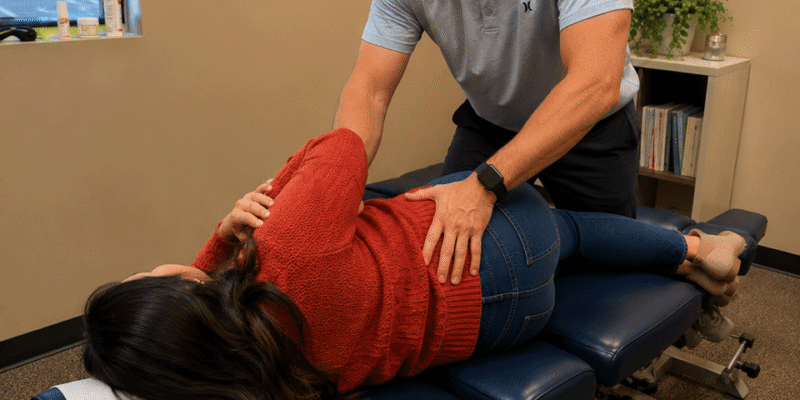
Comfortable, Personalized Support During Pregnancy
Pregnancy brings remarkable changes to the body. As your baby grows, your posture, center of gravity, spinal movement, muscle tension, and weight distribution may all change.
These changes can contribute to discomfort in the lower back, pelvis, hips, neck, shoulders, and other areas. Some expectant mothers also experience stiffness, muscle fatigue, difficulty sleeping comfortably, or pain during everyday movements.
At Dry Creek Chiropractic in Lehi, Utah, Dr. Aaron Walker provides personalized chiropractic care for pregnant patients seeking a conservative approach to pregnancy-related musculoskeletal discomfort.
Depending on your needs, care may include pregnancy-appropriate chiropractic adjustments, prenatal massage, gentle stretching, physiotherapy, posture recommendations, home exercises, or a coordinated combination of therapies.
Treatment is adapted according to your stage of pregnancy, symptoms, comfort level, health history, and recommendations from your prenatal healthcare provider.
How Pregnancy Affects the Muscles and Joints
The body changes continuously throughout pregnancy. These changes help support the developing baby and prepare the body for delivery, but they can also place additional stress on muscles and joints.
Common pregnancy-related changes may include:
- A forward shift in the center of gravity
- Increased curvature through the lower back
- Changes in pelvic position
- Greater stress on the hips and sacroiliac joints
- Tightness through the hip flexors
- Fatigue in the lower-back muscles
- Changes in walking and standing posture
- Increased strain on the neck and shoulders
- Reduced abdominal support as pregnancy progresses
- Difficulty finding a comfortable sleeping position
- Changes in balance and coordination
- Increased joint mobility related to hormonal changes
These changes do not affect every patient in the same way. Some women experience only mild, temporary discomfort, while others develop recurring pain that interferes with sleep, exercise, work, or everyday activities.
Common Pregnancy-Related Concerns
Pregnant patients may seek chiropractic care for a variety of musculoskeletal concerns.
These may include:
Lower-Back Pain
The growing abdomen and changing center of gravity may increase strain on the muscles and joints of the lower back.
Pelvic and Sacroiliac Joint Discomfort
Changes in posture, joint mobility, and weight distribution may contribute to discomfort around the pelvis or the joints connecting the pelvis and lower spine.
Hip and Gluteal Tension
The muscles surrounding the hips and pelvis may work harder as walking patterns and body mechanics change.
Sciatica-Like Symptoms
Some pregnant patients experience pain, numbness, tingling, or discomfort extending into the buttock or leg. These symptoms should be evaluated to determine whether a nerve, joint, muscle, or another structure may be involved.
Neck and Shoulder Tension
Changes in posture, sleep position, breast size, computer use, and daily stress may contribute to neck, upper-back, and shoulder tightness.
Mid-Back and Rib Discomfort
Postural changes and the expanding abdomen may affect the muscles and joints around the middle back and rib cage.
General Stiffness
Pregnancy may make certain movements, including getting out of bed, standing from a chair, bending, walking, or turning, feel more difficult.
Muscle Fatigue
Muscles supporting the spine, pelvis, and hips may tire more quickly as pregnancy progresses.
Signs You Should Have Pregnancy-Related Pain Evaluated
Occasional mild discomfort may improve with rest, movement, or a change in position. However, persistent or worsening symptoms should not automatically be dismissed as a normal part of pregnancy.
Consider scheduling an evaluation if you experience:
- Lower-back pain that continues or frequently returns
- Pelvic or hip discomfort
- Pain when walking, standing, or changing positions
- Difficulty turning over in bed
- Muscle spasms
- Neck or shoulder tension
- Pain extending into the buttock or leg
- Numbness or tingling
- Reduced mobility
- Discomfort that interferes with sleep
- Pain that limits exercise or daily activities
- Symptoms that are becoming progressively worse
- Pain after a fall, accident, or other injury
- Difficulty maintaining a comfortable posture
Dr. Walker can examine how your joints, muscles, posture, and movement patterns may be contributing to your symptoms.
A Personalized Approach to Pregnancy Care
No two pregnancies are exactly the same. Care should reflect the patient’s stage of pregnancy, symptoms, health history, previous pregnancies, activity level, and personal comfort.
During your first visit, Dr. Walker may ask:
- How many weeks pregnant are you?
- Where do you feel discomfort?
- When did the symptoms begin?
- Which activities make the pain better or worse?
- Do you experience numbness or tingling?
- Is the pregnancy considered high-risk?
- Has your prenatal provider placed any restrictions on your activity?
- Have you experienced previous back, hip, or pelvic injuries?
- How are your symptoms affecting sleep or daily activities?
- Have you received chiropractic care during a previous pregnancy?
Your examination may include gentle orthopedic, neurologic, postural, spinal, range-of-motion, and movement assessments.
The examination and treatment plan will be adapted to your comfort and stage of pregnancy. If your symptoms require medical evaluation, imaging, or another type of care, Dr. Walker may recommend that you contact your prenatal provider or another appropriate healthcare professional.
Chiropractic Care During Pregnancy
Chiropractic care during pregnancy focuses on supporting joint mobility, spinal mechanics, posture, and comfortable movement.
As pregnancy progresses, changes in weight distribution and posture may place additional mechanical stress on the lower back, pelvis, hips, and surrounding muscles.
Restricted or poorly functioning joints may contribute to:
- Stiffness
- Muscle guarding
- Difficulty changing positions
- Pain during walking
- Reduced range of motion
- Discomfort during sleep
- Compensatory movement patterns
Dr. Walker uses chiropractic techniques selected according to each patient’s symptoms, comfort level, health history, and stage of pregnancy.
Pregnancy-appropriate adjustments may be performed with modified positioning, supportive pillows, specialized tables, or other accommodations intended to help the patient remain comfortable.
Chiropractic care during pregnancy is not intended to treat pregnancy complications or replace obstetric care. It is focused on musculoskeletal concerns involving the joints, spine, muscles, and movement.
Chiropractic Care for Pregnancy-Related Back Pain
Lower-back pain is a common reason pregnant patients seek care.
As the abdomen grows, the lower back may curve more deeply and the muscles supporting the spine may work harder. Changes in pelvic position, walking patterns, sleep position, and daily activity may add to the strain.
Chiropractic care may help certain patients by:
- Improving movement in restricted spinal joints
- Addressing mechanical stress around the lower back
- Supporting comfortable pelvic and hip movement
- Reducing joint-related stiffness
- Helping the body move more comfortably during daily activities
- Complementing stretching, massage, and therapeutic exercise
An examination is necessary to determine whether chiropractic care is appropriate for your symptoms.
Chiropractic Care for Pelvic and Hip Discomfort
The pelvis plays an important role in supporting the body and transferring weight between the spine and legs.
During pregnancy, hormonal and postural changes may affect how the pelvic joints and surrounding muscles function. Some patients notice discomfort while walking, climbing stairs, standing on one leg, getting into a car, or turning over in bed.
Treatment may focus on:
- Pelvic joint mobility
- Sacroiliac joint function
- Hip movement
- Lower-back mechanics
- Muscle tension around the hips and gluteal area
- Movement strategies for daily activities
Care may be combined with prenatal massage and physiotherapy to address both joint and muscular factors.
Prenatal Massage During Pregnancy
Prenatal massage is a form of massage therapy adapted to the changing needs of the pregnant body.
Dry Creek Chiropractic offers prenatal massage for expectant mothers seeking relaxation and help with pregnancy-related muscle tension.
A prenatal massage session may use:
- Supported side-lying positioning
- Semi-reclined positioning
- Pillows and bolsters
- Light or moderate pressure
- Gentle, flowing massage techniques
- Focused work on tense muscle groups
- Modified techniques based on the stage of pregnancy
The therapist will avoid unnecessary pressure on the abdomen and adjust the session according to your comfort.
Tell the therapist how far along you are, whether your pregnancy is considered high-risk, and whether your prenatal provider has recommended any restrictions.
How Prenatal Massage May Help
Pregnancy may place extra demands on the muscles of the lower back, hips, legs, neck, and shoulders.
Prenatal massage may help:
- Relax tight or tired muscles
- Reduce general muscular tension
- Address lower-back and hip tightness
- Ease neck and shoulder tension
- Promote relaxation
- Support comfortable flexibility
- Reduce stress-related muscle guarding
- Provide a dedicated period of rest
- Complement pregnancy chiropractic care
- Support an overall prenatal wellness plan
Individual responses vary. Prenatal massage is not intended to diagnose or treat pregnancy complications.
Medical clearance may be recommended for patients with high-risk pregnancies, activity restrictions, blood-clotting concerns, unexplained swelling, bleeding, or other complications.
Combining Chiropractic Care and Prenatal Massage
Pregnancy-related discomfort may involve both restricted joints and tight or overworked muscles.
For example, changes in pelvic position may affect joint movement while also placing additional demands on the muscles of the lower back, hips, and gluteal area.
Combining chiropractic care and prenatal massage may allow the care plan to address several contributing factors:
- Chiropractic adjustments may improve joint mobility.
- Prenatal massage may reduce muscular tension.
- Gentle stretching may support flexibility.
- Physiotherapy may improve strength and movement control.
- Home recommendations may help make daily activities more comfortable.
Massage may be scheduled before chiropractic care to help relax tense muscles, after an adjustment, or on a separate day.
The recommended sequence and frequency depend on the patient’s symptoms and treatment goals.
Physiotherapy During Pregnancy
Physiotherapy may be included when pregnancy-related discomfort is influenced by weakness, reduced mobility, poor movement patterns, or difficulty stabilizing the spine and pelvis.
A customized program may include:
- Gentle stretching
- Core stabilization appropriate for pregnancy
- Hip and gluteal strengthening
- Pelvic-stability exercises
- Upper-back strengthening
- Posture exercises
- Mobility activities
- Balance and coordination exercises
- Breathing and relaxation techniques
- Guidance for safer daily movement
Exercises are selected according to the patient’s stage of pregnancy, comfort, activity level, and any restrictions provided by the prenatal healthcare provider.
The goal is not to perform an exhausting workout. Physiotherapy should help the patient move with greater confidence and provide practical strategies for daily life.
Posture and Movement During Pregnancy
Everyday movements may become more challenging as pregnancy progresses.
Patients may experience discomfort when:
- Getting out of bed
- Standing from a chair
- Getting into or out of a car
- Lifting a child
- Carrying groceries
- Working at a desk
- Standing for extended periods
- Climbing stairs
- Sleeping on one side
- Exercising
Dr. Walker and the Dry Creek Chiropractic team may provide recommendations for posture, body mechanics, sleep positioning, gentle movement, and activity modification.
Helpful strategies may include:
- Changing positions regularly
- Avoiding prolonged sitting or standing
- Using support pillows while sleeping
- Keeping frequently used items within easy reach
- Bending through the hips and knees rather than the lower back
- Dividing heavy loads into smaller loads
- Wearing supportive footwear
- Taking short movement breaks
- Performing recommended home exercises
Recommendations should be individualized rather than treated as one set of rules for every pregnancy.
Exercise and Staying Active During Pregnancy
Many pregnant patients want to remain active but are unsure how to modify their routines.
The appropriate level of activity depends on your health, pregnancy, previous exercise habits, and guidance from your prenatal provider.
When exercise is permitted, movement may help support:
- Mobility
- Muscular endurance
- Posture
- Balance
- General wellness
- Stress management
- Preparation for daily physical demands
Patients experiencing pain during exercise should avoid pushing through sharp, worsening, or unusual symptoms.
Dr. Walker may recommend temporary activity modifications, physiotherapy, or a gradual return to certain movements based on your examination findings.
Pregnancy-Related Sciatica and Leg Symptoms
Pain extending from the lower back or buttock into the leg is often described as sciatica. However, several muscles, joints, and nerves may cause similar symptoms.
Pregnant patients may experience:
- Buttock pain
- Pain extending into the thigh or leg
- Numbness
- Tingling
- Burning discomfort
- Leg weakness
- Symptoms aggravated by sitting or standing
A careful examination is important because treatment depends on the structure contributing to the symptoms.
Chiropractic care, prenatal massage, physiotherapy, activity modification, or medical referral may be recommended depending on the findings.
Significant weakness, loss of bladder or bowel control, numbness around the groin, or rapidly worsening neurologic symptoms require immediate medical evaluation.
Neck and Shoulder Tension During Pregnancy
Pregnancy-related discomfort does not occur only in the lower back.
Changes in breast size, sleep position, posture, computer use, stress, and fatigue may contribute to tightness in the:
- Neck
- Upper back
- Shoulders
- Muscles surrounding the shoulder blades
- Chest
- Arms
Care may include gentle chiropractic treatment, prenatal massage, stretching, postural guidance, and strengthening exercises for the upper back and shoulders.
Care Through Different Stages of Pregnancy
The patient’s needs may change throughout pregnancy.
First Trimester
Some patients experience fatigue, nausea, or sensitivity to certain positions. Care is adjusted according to comfort, symptoms, and any guidance from the prenatal provider.
Second Trimester
As the abdomen grows, changes in posture and weight distribution may become more noticeable. Patients may begin experiencing lower-back, hip, or pelvic tension.
Third Trimester
Greater physical demands may contribute to difficulty sleeping, walking, changing positions, or remaining comfortable during daily activities. Positioning and treatment techniques are modified as needed.
Treatment recommendations are based on the individual patient rather than the trimester alone.
Chiropractic Care After Delivery
Physical recovery continues after the baby is born.
New parents may develop back, neck, shoulder, wrist, or hip discomfort related to:
- Feeding positions
- Carrying the baby
- Lifting infant carriers
- Repeated bending
- Interrupted sleep
- Prolonged sitting
- Changes in exercise
- Weakness following pregnancy
- Recovery after labor or delivery
After receiving appropriate medical clearance, postpartum patients may benefit from chiropractic care, massage therapy, physiotherapy, posture guidance, and gradual strengthening.
Postpartum care should be adapted to the type of delivery, healing progress, symptoms, and recommendations from the patient’s healthcare provider.
Combining Treatments for Pregnancy Support
Pregnancy-related pain often involves more than one structure.
A patient with lower-back pain may have restricted spinal or pelvic joints, tight hip muscles, reduced core support, and difficulty maintaining a comfortable posture.
A coordinated treatment plan may include:
- Chiropractic care to improve joint mobility and spinal mechanics
- Prenatal massage to reduce muscle tension and encourage relaxation
- Physiotherapy to improve strength, stability, flexibility, and movement
- Home exercises to support progress between appointments
- Posture recommendations for work, sleep, lifting, and daily activities
- Coordination with prenatal providers when medical guidance or clearance is needed
This integrated approach allows care to be adapted as the pregnancy progresses.
Pregnancy Chiropractic Care in Lehi and Utah County
Dry Creek Chiropractic provides personalized care for pregnant patients in Lehi and surrounding Utah County communities.
Our office serves patients from:
- Lehi
- Highland
- American Fork
- Alpine
- Cedar Hills
- Saratoga Springs
- Eagle Mountain
- Nearby Utah County communities
Whether you are experiencing back pain, pelvic discomfort, hip tension, neck stiffness, or general muscular fatigue, our team can help determine which conservative treatment options may be appropriate.
Schedule a Pregnancy Chiropractic Evaluation
You do not have to assume that ongoing musculoskeletal discomfort is simply something you must tolerate throughout pregnancy.
Dr. Aaron Walker and the Dry Creek Chiropractic team provide individualized care designed to support mobility, comfort, and everyday function during pregnancy.
Your care plan may include pregnancy-appropriate chiropractic adjustments, prenatal massage, physiotherapy, stretching, or home recommendations.
Call Dry Creek Chiropractic at (801) 766-4113 or book online to schedule a pregnancy chiropractic evaluation.
Dry Creek Chiropractic
Dr. Aaron Walker
3300 North Running Creek Way
Building E, Suite 100
Lehi, UT 84043
FAQ – Pregnancy Chiropractic
Is chiropractic care appropriate during pregnancy?
Chiropractic care may be appropriate for many pregnant patients when techniques and positioning are adapted to their stage of pregnancy, comfort, health history, and examination findings. Patients with high-risk pregnancies or medical complications should consult their prenatal healthcare provider before beginning care.
What pregnancy-related conditions can a chiropractor evaluate?
A chiropractor can evaluate musculoskeletal concerns such as pregnancy-related lower-back pain, pelvic and hip discomfort, neck tension, joint stiffness, reduced mobility, and certain types of leg symptoms. Chiropractic care does not replace evaluation or treatment of pregnancy complications.
How are chiropractic adjustments modified during pregnancy?
Adjustments may be performed using pregnancy-appropriate positioning, supportive pillows, specialized tables, and techniques selected for the patient’s comfort. Dr. Walker will modify care based on the stage of pregnancy, symptoms, and examination findings.
Can prenatal massage be combined with chiropractic care?
Yes. Prenatal massage may help relax tight or tired muscles, while chiropractic care addresses restricted joints and mechanical movement concerns. The two services may be coordinated as part of an individualized pregnancy wellness plan.
Do I need approval from my obstetrician or midwife?
Many patients with healthy pregnancies can receive conservative musculoskeletal care, but medical approval may be recommended when the pregnancy is considered high-risk or when there are complications, activity restrictions, bleeding, significant swelling, blood-clotting concerns, or other health issues.
Can I continue chiropractic care after my baby is born?
Postpartum chiropractic care may help address musculoskeletal strain associated with feeding, carrying the baby, lifting infant equipment, altered sleep positions, and physical recovery. The timing and type of care should reflect your delivery, healing progress, symptoms, and medical provider’s recommendations.