
Dry Creek Chiropractic • Dr. Aaron Walker
Most Insurance Accepted
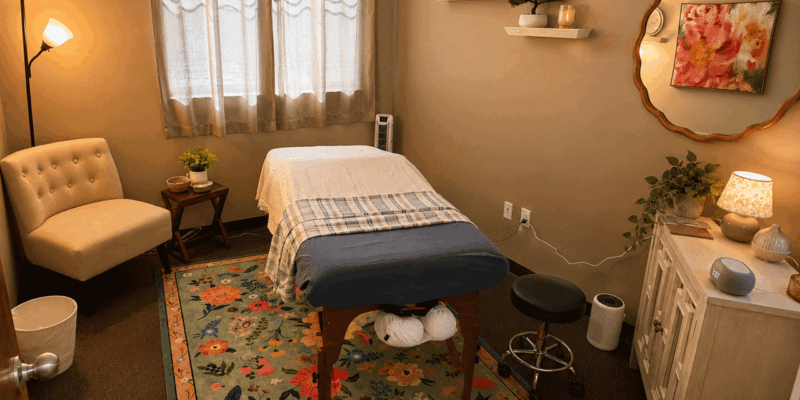
Targeted Massage for Tight, Overworked Muscles
Dry Creek Chiropractic offers deep tissue massage in Lehi, Utah, for patients experiencing persistent muscle tension, stiffness, soreness, and restricted movement.
Deep tissue massage uses slow, focused movements and firm, controlled pressure to address tension within deeper layers of muscle and connective tissue. Unlike a general relaxation massage, deep tissue sessions typically concentrate on specific areas that feel tight, overworked, or uncomfortable.
Your massage therapist will personalize the pressure and techniques used during your appointment. Treatment may focus on your neck, shoulders, back, hips, legs, or other areas affected by repetitive activity, exercise, physical work, poor posture, stress, or previous injuries.
Deep tissue massage may be scheduled as an individual wellness service or included in a broader care plan with chiropractic adjustments, physiotherapy, HydroMassage, or other massage techniques.
What Is Deep Tissue Massage?
Deep tissue massage is a hands-on therapy that applies slow strokes, sustained pressure, and focused techniques to deeper layers of muscle and fascia.
Fascia is the connective tissue surrounding muscles and other structures throughout the body. When muscles and surrounding tissues become tight or irritated, normal movement may feel stiff or uncomfortable.
Deep tissue techniques are intended to address concentrated areas of tension rather than simply providing a full-body relaxation experience. Your massage therapist may work gradually through the outer muscle layers before applying firmer pressure to deeper tissues.
Deep tissue massage does not have to be excessively painful to be effective. Pressure should remain within your comfort level and can be adjusted throughout the appointment.
Techniques Used During Deep Tissue Massage
A deep tissue massage session may include:
- Slow, deliberate massage strokes
- Firm or moderate pressure
- Focused kneading
- Sustained compression
- Cross-fiber friction
- Trigger point techniques
- Myofascial techniques
- Gentle stretching
- Focused work around tight muscle groups
Your massage therapist may use a combination of techniques depending on your symptoms, preferences, health history, and treatment goals.
Communication is important during the session. Tell your therapist if the pressure feels too strong, causes sharp pain, or creates numbness or tingling.
Potential Benefits of Deep Tissue Massage
Deep tissue massage may help people experiencing ongoing muscular tension or soreness related to daily activities, exercise, work, posture, or physical stress.
Potential benefits may include:
- Reducing persistent muscle tension
- Relieving tight or overworked muscles
- Improving flexibility and comfortable movement
- Addressing localized muscular knots
- Supporting recovery after physical activity
- Easing stiffness associated with prolonged sitting
- Helping muscles relax around restricted joints
- Reducing stress-related muscle tightness
- Supporting circulation in the massaged tissues
- Complementing chiropractic and rehabilitative care
- Promoting physical and mental relaxation
- Supporting an ongoing wellness routine
Results vary by person. Massage therapy is not intended to diagnose, cure, or replace medical treatment for an underlying health condition.
Areas Commonly Addressed with Deep Tissue Massage
Deep tissue massage can be customized to concentrate on one or more areas of the body.
Common focus areas include:
Neck and Shoulders
Computer use, driving, stress, repetitive work, and prolonged phone use may contribute to tension across the neck and upper shoulders.
Upper and Lower Back
Muscles surrounding the spine may become tight from sitting, lifting, exercise, repetitive activity, or altered movement patterns.
Hips and Gluteal Muscles
Hip and gluteal tension may affect comfort during walking, exercising, sitting, and other daily activities.
Legs and Calves
Running, hiking, sports, standing for long periods, and repetitive physical activity may leave the legs feeling tight or fatigued.
Arms and Forearms
Computer work, gripping, lifting, sports, and repetitive hand movements may contribute to muscle tension through the arms and forearms.
Your therapist will discuss which areas should receive the most attention before beginning your session.
Deep Tissue Massage for Muscle Knots
A muscle knot is a common term for a localized area of tight or sensitive muscle tissue. These areas may feel firm, tender, or uncomfortable when pressed.
Muscle knots may develop following:
- Repetitive movements
- Prolonged sitting
- Poor workstation positioning
- Physical overuse
- Stress
- Exercise
- Muscle guarding
- Previous injuries
- Inadequate recovery
Deep tissue and trigger point techniques may be used to apply focused pressure to these areas. The goal is to help the affected tissues relax and improve comfortable movement.
A tender area should not automatically be treated with intense pressure. Your massage therapist will gradually adjust the technique based on how your body responds.
Deep Tissue Massage and Chiropractic Care
Muscles, joints, and connective tissues work together to produce movement. When muscles become tense or guarded, movement may feel restricted. Joint restrictions may also place additional strain on the surrounding soft tissues.
Deep tissue massage may complement chiropractic care by addressing muscular tension around the spine, shoulders, hips, and other joints.
When appropriate, massage may be performed before chiropractic care to help relax tense muscles. It may also be scheduled after an adjustment or on a separate day as part of an ongoing treatment plan.
A personalized plan at Dry Creek Chiropractic may include:
- Chiropractic adjustments
- Deep tissue massage
- Swedish massage
- Trigger point techniques
- Physiotherapy
- HydroMassage therapy
- Stretching and strengthening exercises
- Posture recommendations
- Home-care guidance
Dr. Walker and the Dry Creek Chiropractic team can help determine which services may be appropriate for your needs.
Deep Tissue Massage vs. Swedish Massage
Both Swedish and deep tissue massage use hands-on techniques, but they typically have different goals and pressure levels.
Deep Tissue Massage
Deep tissue massage may be a good choice when you want:
- Moderate-to-firm pressure
- Focused work on specific areas
- Attention to persistent muscle tightness
- Treatment for overworked or fatigued muscles
- Techniques directed toward deeper muscle layers
- Support for exercise or activity recovery
Swedish Massage
Swedish massage may be preferred when you want:
- Light-to-moderate pressure
- Long, flowing movements
- General relaxation
- Full-body massage
- Relief from everyday tension
- A gentler introduction to massage therapy
A session can also combine elements of both styles. For example, your therapist may use Swedish massage techniques for overall relaxation and deeper pressure in selected areas.
Deep Tissue Massage for Active Adults and Athletes
Exercise, sports, hiking, weight training, running, and physically demanding work can place repeated stress on the muscles.
Deep tissue massage may be used as part of an active lifestyle to address:
- Tight muscles following exercise
- General post-workout soreness
- Repetitive-use tension
- Reduced flexibility
- Overworked legs, hips, shoulders, or back
- Muscle fatigue
- Recovery between activities
Massage should not be used to conceal a serious injury. Sudden pain, significant swelling, weakness, instability, inability to bear weight, or pain following substantial trauma may require an examination before massage is recommended.
What to Expect During Your Appointment
Before your massage begins, your therapist will ask about your goals, areas of tension, preferred pressure, and relevant health concerns.
Be prepared to discuss:
- Where you feel tightness or soreness
- How long the symptoms have been present
- Recent exercise or physical activity
- Previous injuries or surgeries
- Medications or relevant health conditions
- Areas that should be avoided
- Your preferred pressure level
You will be given privacy to undress to your comfort level. Professional draping is used throughout the session, and only the area currently being massaged is uncovered.
Your therapist may begin with lighter pressure to warm the tissues before using deeper techniques. You may experience pressure or mild tenderness, but the massage should not cause sharp, severe, or alarming pain.
Continue communicating with your therapist throughout the session so the pressure can be adjusted.
How Might You Feel After Deep Tissue Massage?
Some people feel relaxed and more mobile immediately after their appointment. Others experience temporary tenderness, similar to the feeling following a strenuous workout.
After a deep tissue massage, it may be helpful to:
- Drink water
- Avoid unusually strenuous activity for the remainder of the day
- Perform gentle movement or stretching when recommended
- Apply heat or cold only when advised
- Allow the body time to rest
- Follow any recommendations provided by your therapist or chiropractor
Contact the office if you experience unusual, severe, or persistent symptoms after treatment.
Is Deep Tissue Massage Right for You?
Deep tissue massage may be appropriate if you prefer focused pressure and want to address persistent muscle tension, stiffness, or activity-related soreness.
However, muscular discomfort can have many causes. Symptoms involving numbness, tingling, weakness, radiating pain, balance problems, severe headaches, unexplained swelling, or significant injury should be evaluated before beginning massage therapy.
Dr. Walker can assess your symptoms and determine whether massage, chiropractic care, physiotherapy, imaging, or referral to another healthcare provider may be appropriate.
Schedule Your Deep Tissue Massage in Lehi
Address stubborn muscle tension and give your body an opportunity to recover with deep tissue massage at Dry Creek Chiropractic.
Our massage therapists tailor each appointment to your needs, preferred pressure, problem areas, and wellness goals. Massage may be scheduled independently or incorporated into a chiropractic and rehabilitative care plan.
Contact our office to ask about massage availability, appointment lengths, pricing, insurance benefits, and scheduling.
Call Dry Creek Chiropractic at (801) 766-4113 or click here to schedule an appointment.
Dry Creek Chiropractic
Dr. Aaron Walker
3300 North Running Creek Way
Building E, Suite 100
Lehi, UT 84043
FAQ – Deep Tissue Massage
What is deep tissue massage?
Deep tissue massage is a hands-on technique that uses slow movements, sustained pressure, and focused massage strokes to address deeper layers of muscle and connective tissue. It is commonly used for persistent muscular tension, stiffness, and overworked muscles.
Is deep tissue massage supposed to hurt?
Deep tissue massage may create pressure or temporary tenderness, but it should not cause sharp or severe pain. Your therapist will adjust the pressure based on your comfort level, so speak up whenever a technique feels too intense.
What is the difference between deep tissue and Swedish massage?
Deep tissue massage typically uses firmer, more focused pressure to address specific areas of persistent tension. Swedish massage generally uses lighter, flowing movements and is more focused on relaxation and everyday muscle tension.
Can deep tissue massage be combined with chiropractic care?
Yes. Deep tissue massage may help relax tense muscles surrounding restricted joints and may be included in a treatment plan with chiropractic adjustments, physiotherapy, stretching, or other services. Your chiropractor can determine whether combining these treatments is appropriate.
How might I feel after a deep tissue massage?
You may feel relaxed, more mobile, or temporarily tender after a deep tissue massage. Mild soreness can occur, particularly when concentrated areas of tension are addressed. Severe or persistent pain should be reported to the office.
Does insurance cover deep tissue massage?
Coverage depends on your insurance plan, medical necessity, referral requirements, and whether massage is included in an approved treatment plan. Contact Dry Creek Chiropractic and your insurance provider to verify your benefits before treatment.